








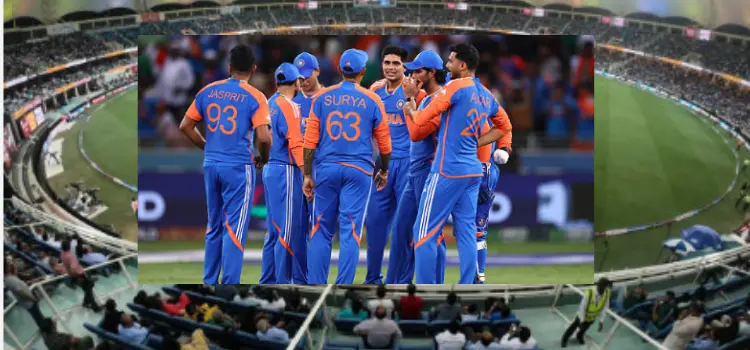
India vs Pakistan Asia Cup: these words stir emotions, ignite debates, and divide screens across the nation. But this time, I chose silence. I didn’t watch a single ball of the last match. Not out of indifference, but out of conviction. I have been a hardcore cricket fan since I was a child. It was not easy to not watch an Indo-Pak match. Believe it was hard, but I did just support my nation and show that not everything needs to be done by the Government, we need to do our bit too.
As a citizen of India, I felt deeply conflicted. The Asia Cup 2025 clash between India and Pakistan wasn’t just another cricket match—it was layered with political tension, emotional weight, and symbolic gestures. The Indian team’s decision to skip the post-match handshake was deliberate, a silent stand in solidarity with national sentiment.
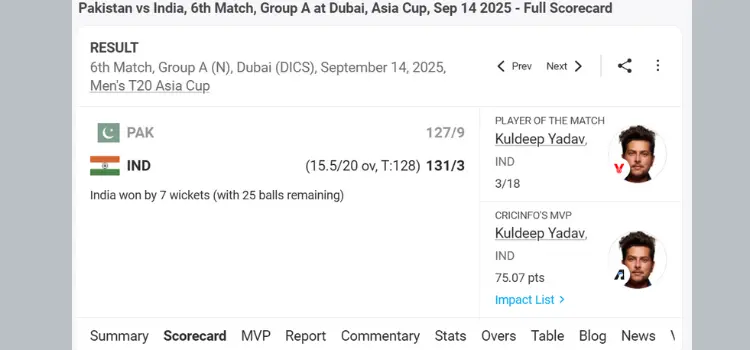
India vs Pakistan Asia Cup: Why I Chose to Boycott.
For me, the real protest was personal. I didn’t tune in. I didn’t cheer. I didn’t contribute to the viewership metrics that often get weaponized in narratives. As I write this blog, the match between Pakistan vs UAE Asia Cup 2025 has also been played and concluded, but not before some drama. Pakistan’s reaction was as expected. The Pakistan Cricket Board (PCB) filed complaints that did not make sense, as they were accusing the match referee of being wrong, when in fact, the truth was that they were embarrassed first by defeat, then by the no-handshake saga. They threatened to boycott the match against the UAE and the remainder of the Asia Cup 2025. In an action that was unwarranted, PCB released videos of match officials (Referees) while they were having a conversation and labeled them as a video of apology by the referee, sparking controversy.
1. Watching Isn’t Always Supporting. India vs Pakistan Asia Cup match was my way of saying: I stand with dignity. While BCCI had to play under ACC obligations, I had the freedom to opt out. It wasn’t about hate—it was about principle. Why shall we keep asking everything to be done at the government level? We, as citizens, can always stand with our nation.
2. Silence Can Be a Statement. In a world where every tweet and reel is a reaction, silence is underrated. By not watching, I felt empowered. I wasn’t blaming BCCI or questioning the government’s stance. I was simply exercising my right to disengage from a spectacle that felt emotionally charged and political. If every Indian fan chose country over coverage, the noisemakers would fall silent. The broadcasters, the pressure-builders—those who forced an extra match with Pakistan—would see their agenda collapse. Silence can be resistance. And sometimes, not watching is the loudest stand we can take.
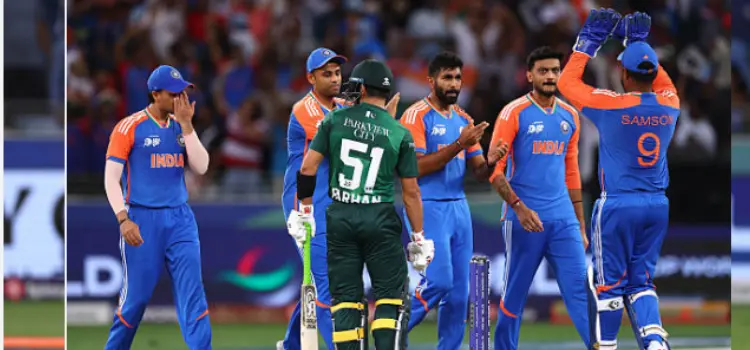
3. Playing Is Strategic, Not Emotional: Let’s be clear: India must play Pakistan in multinational tournaments. Refusing to participate could invite sanctions from the International Cricket Council (ICC) and weaken our diplomatic standing. Matches like these are governed by rules, not emotions. And while the handshake snub made headlines, it wasn’t a breach of cricket law—it was a symbolic act. We didn’t choose this match. It was thrust upon us by obligation, not desire. But in that stadium, through the silence of a withheld handshake, we spoke volumes. It wasn’t just a gesture—it was grief, pride, and memory woven into one. The wounds of Pahalgam haven’t healed, and that moment reminded the world: we haven’t forgotten.
4. The Money Matters—But So Does Messaging. Yes, these matches generate massive revenue. Broadcasters, sponsors, and advertisers thrive on the India vs Pakistan Asia Cup hype. But money isn’t the only currency. Messaging matters. The Indian team’s gesture, the citizens’ reactions, and the media discourse all contribute to a larger narrative. We wanted the world to understand that this match wasn’t born of choice—it was born of obligation. Playing against Pakistan doesn’t mean forgetting the pain of lives lost or the wounds still fresh from acts of terror. We are not puppets moved by profit. We are a nation that grieves, that remembers, and that refuses to let entertainment overshadow sacrifice.
5. National Interest Is Bigger Than Cricket:
We understand the obligations of a multinational tournament like the Asia Cup 2025. Playing Pakistan wasn’t a choice—it was a requirement. But what hurts is how the tournament was structured. The broadcasters and ACC could have ensured minimal direct clashes, yet under the leadership of Mohsin Naqvi—Pakistan’s own—the format seemed designed to maximize confrontation, not competition. It felt less like sport and more like provocation. People may have different views, but for us, the nation comes before the scoreboard.
Playing Pakistan in tournaments isn’t an endorsement—it’s a necessity. But how we engage, what we say, and how we react define our national character. By choosing not to watch, I felt I was doing my part. Not to punish, but to preserve.
India vs Pakistan Asia Cup: What Comes Next?
As India prepares to face Pakistan again in the Super Four on September 21st, the tension remains. But so does the opportunity—to express, to reflect, and to choose. Whether you watch or not, let it be a conscious decision. Let it be your voice in a game that’s bigger than cricket.
Final Thought
The India vs Pakistan Asia Cup isn’t just a match.
The India vs Pakistan Asia Cup isn’t just a cricket fixture—it’s a reflection of our times. It’s where sport collides with sentiment, and where every decision—whether to play, to watch, or to walk away—carries weight. As citizens, we may not sit in boardrooms or shape tournament formats, but we do hold power. The power to choose what we endorse, what we ignore, and what we stand for. It’s a mirror. And sometimes, not looking into it is the most powerful thing you can do.