







Your favorite waterproof mascara lasted all day at the wedding, your eyeliner held up through the rainy drive to work, and your lipstick didn’t give up on you during your morning coffee order and evening meal. Waterproof makeup can withstand the busiest moments of life, but no cosmetic product is intended to last forever.
A lot of people are still using their previous beauty products simply because they still appear to be usable. Sadly, appearances can be deceptive. Expired waterproof makeup can lose its ability to perform, change in consistency, and even introduce undesirable bacteria to your eyes and skin. With all of the above in mind, you can avoid irritation and also make your makeup regimen fresh and effective.
Let’s take a look at the signs that makeup has expired that will clue you in that it’s time to prepare to retire your beauty aids and buy some new ones.
Why Every Makeup Product Has a Lifespan
The formulation of cosmetics is done with care as they contain many components such as oils, waxes, pigments, preservatives, and active ingredients. With exposure to air, moisture, light, and bacteria, which come in contact with bristles or through direct application over time, these ingredients start to degrade.
This natural dissolution impacts the appearance, feel, and performance of your makeup. The high-quality products also lose their effectiveness after some time, which is why regular replacement is a crucial aspect of any beauty regimen.
Understanding Makeup Shelf Life
All cosmetics have a recommended shelf life, even though they may look fine. Most often, there will be a small symbol of an open jar with the number 6M, 12M, or 24M. This reflects the number of months after opening that the product is safe.Additionally these products have manufacturing date as well as best before date as well . Se we also need to know which date are meant for what ? Once opened, the PAO symbol takes precedence
Knowing your makeup shelf life is an important part of maximizing your product’s usability and preventing skin irritation or bacterial contamination. Following modern fashion styles also means keeping your beauty products fresh and safe to use. If there is a product that you start using, make sure you apply a small label with the usage start date.
Unusual Smells Are One of the First Warning Signs
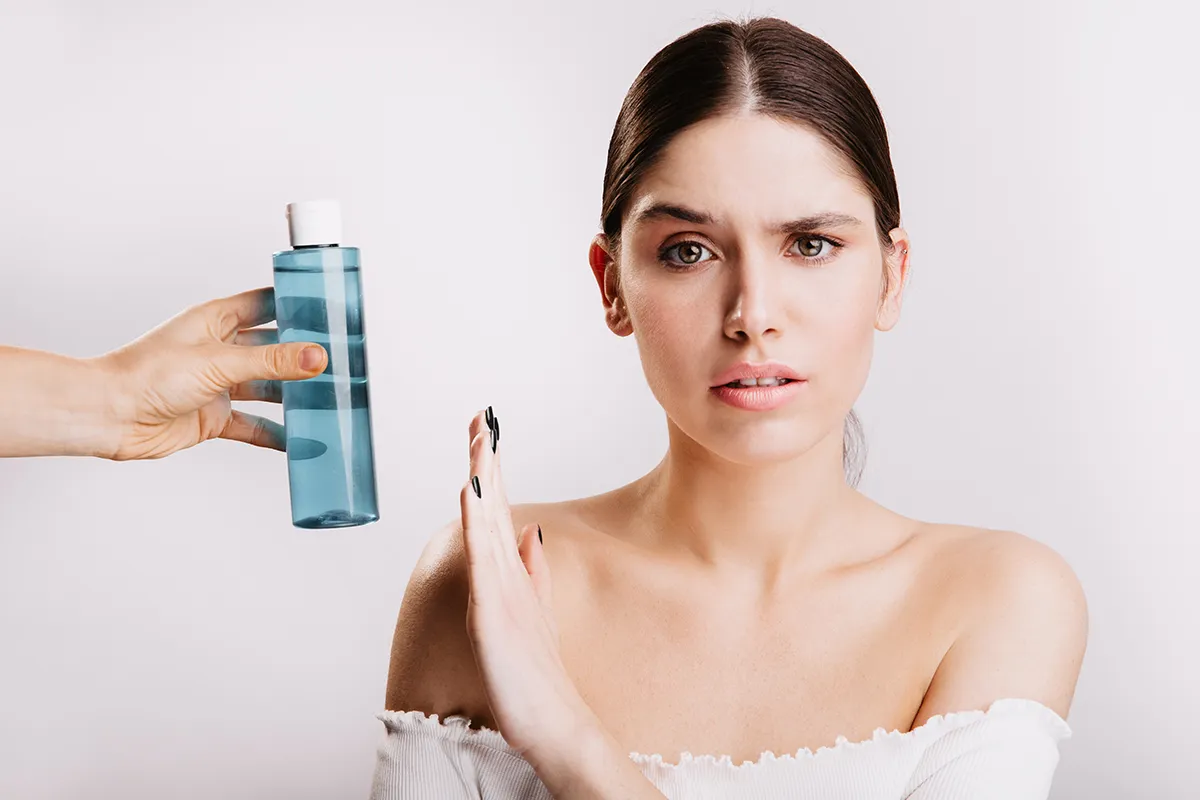
Most new cosmetics are either unscented or have a mild fragrance. One of the most prominent indicators of the expiration of makeup is a bad smell. If you detect a sour, musty, chemical, or even unpleasant odor, it’s a clear sign that it has gone bad.
When your perfume’s scent is different, the preservatives may have broken down, or the ingredients may have weakened. If the product appears normal, it is still best not to dismiss an unusual odor.
The Texture Feels Different
Do you have clumpy mascara or separated liquid foundation?
Texture changes are often among the first visible warning signs that your products are reaching the end of their usable life.
Your makeup may become:
- Thick and sticky
- Dry or crumbly
- Grainy
- Watery
- Difficult to blend
Typically, formulas that don’t maintain their consistency won’t give you the smooth finish you’re looking for.
Don’t Ignore an Expired Eyeliner
Eye make-up requires special care as it is in direct contact with one of the most sensitive parts of the body.
An expired eyeliner can start to glide over the eyelid, fall off when it dries, or the brush tip can get hard. These changes are not only cosmetic but can also make your makeup more irritating or lead to eye infections.
When eyeliner gets too old, burns while applying, is unevenly applied, or is thick and stringy, it’s time to get a new eyeliner.
Lip Products Need Regular Replacing Too
Unlike mascara and foundations, lipsticks do not get used as often and so don’t get thrown away as quickly. But lip products do have an expiration date, and should not be ignored.
Any change in the smell, texture, or appearance is a good indicator that it is time to investigate further.
How to Identify an Expired Lipstick
A good lipstick should have a smooth and easy consistency, and it should feel good on your lips. You will often be able to see the changes when the formula is starting to break down.
An expired lipstick may:
- Develop an unpleasant smell
- Show tiny oil droplets on the surface
- Become dry or waxy
- Crack or crumble during application
- Lose its original creamy texture
If you see any of these things, it is best to replace the product for comfort and to keep it clean.
Changes in Color Shouldn’t Be Ignored
The waterproof cosmetics are intended to provide an even tone with each application.
If your foundation becomes darker, your eyeliner looks faded, or your lipstick color changes, the formula may be oxidizing.
These changes are typically slow, but they usually mean that the ingredients have begun to decompose.
Listen to What Your Skin Is Telling You
Sometimes your skin notices a problem before you do.
If you have noticed that you have gotten a rash, itching, burning eyes, or unexplained breakouts after using a familiar product, stop using it right away.
Although the product may look completely normal, bacteria can grow in it over time. You can keep your skin from being unnecessarily irritated by paying attention to these reactions.
Why Waterproof Cosmetics Safety Should Be a Priority
Good waterproof cosmetics safety is more than just a life-saving formula; it’s a skin and eye health daily protection.
A few simple habits can make a big difference:
- Wash makeup brushes every week.
- Keep product lids tightly closed after use.
- Store cosmetics away from direct sunlight and excessive heat.
- Never share eye or lip makeup.
- Dispose of products that smell, look, or feel unusual.
These simple steps will help minimise bacterial contamination and maintain your beauty regime as safe and hygienic as possible.
Store Your Makeup the Right Way
The place you put your cosmetics will make a difference in how long they last.
Put cosmetics in a cool, dry location whenever possible, such as a cool, dry bathroom or a different area. Proper storage helps maintain your products while complementing your everyday fashion inspiration with a fresh and well-maintained beauty routine. Don’t leave cosmetics in your car, especially in summer, as the formula can deteriorate more quickly under high temperatures.
Cleaning and proper sealing of products also extend product life.
Knowing When to Replace Makeup
Just because you haven’t used up a product doesn’t mean you don’t need to replace it when it is appropriate to do so for healthy skin.
As a general guide:
- Máscara: Every 3–6 months
- Liquid eyeliner: Every 3–6 months
- Pencil eyeliner: Around 12 months
- Liquid foundation: 12–18 months
- Concealer: About 12 months
- Lipstick: 12–24 months
- Powder products: Up to 24 months
If you’re unsure about a product’s condition, replacing it is always a safer option than risking irritation or reduced performance.
Make Seasonal Makeup Checks a Habit
Review your makeup collection from time to time, say every couple of months.
Ask yourself:
- Does this product still smell normal?
- Has the texture changed?
- Is the packaging damaged?
- Does it apply as smoothly as before?
- Have I owned it longer than recommended?
Consistent checking will assist you in preserving your beauty products collection, keeping it arranged, and likewise make certain that everything you use is still safe and reliable.
Final Thoughts
Fresh makeup not only performs better but also helps protect your skin and eyes from unnecessary irritation. Paying attention to changes in texture, scent, color, and performance makes it much easier to know when it’s time to let go of older products.
With proper storage practices and regular product rotation, you can apply your cosmetics with ease and have a clean, safe, and dependable makeup experience.
Keep in Touch!
Be the first to know about new product launches, tutorials, events and all things Eldridge.